







Search Results for: child steals milk tea
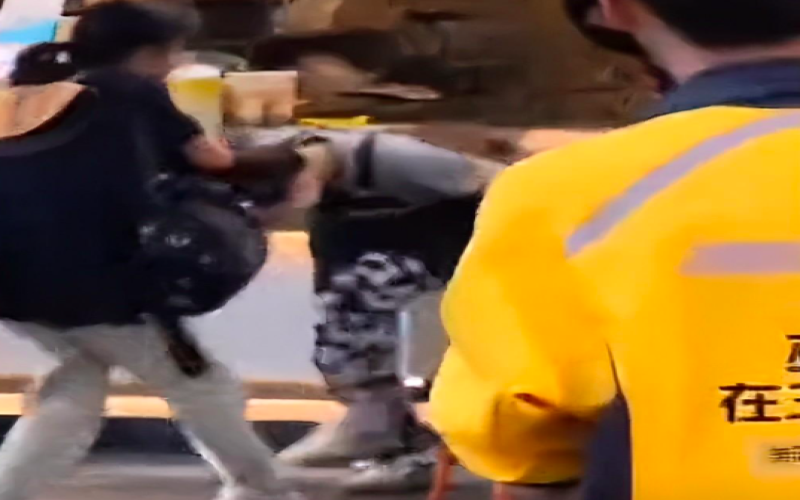
Guangzhou Milk Tea Shop Conflict Incident: Child Taking a Drink Triggers Physical Altercation Between Parent and Staff, Police Intervene in Investigation
Recently, a video of a conflict that took place in a chain milk tea shop in Yuexiu District, Guangzhou, spread widely on social media and sparked heated discussion among netizens. The video shows that a female customer, after a staff member accused her child of stealing milk tea, lost control of her emotions and committed violent acts against the staff member, including kicking, pulling her hair, and dragging her, and even got into a biting conflict with a security guard who came to stop her, while also holding a knife while waiting for the police. Behind the incident, was it really a child taking someone else's drink without permission, or was there another hidden story? Media outlets including The Paper and Dawan News followed up with reports one after another, and the shop involved and the local police station have intervened. This article will sort out the entire process of the incident, the responses from all parties, and the focal points of public discussion, to reconstruct this milk tea shop dispute that has attracted social attention. [more…]
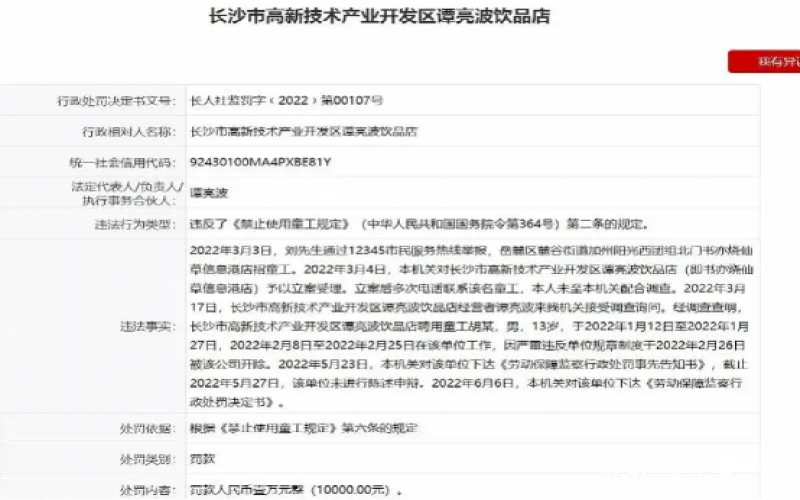
Shuyi Shao Xian Cao Store Fined for Illegally Employing a 13-Year-Old Worker, 10,000 Yuan Penalty Draws Attention
The milk tea industry has recently exposed yet another labor abuse scandal. A Shuyi Tealicious store in Changsha was fined 10,000 yuan by the local Human Resources and Social Security Bureau for hiring a child worker who was only 13 years old. The incident came to light after a citizen report, and an investigation found that the child had worked at the store for several months before being fired, which then led to a dispute. The store owner involved argued that the child claimed to be over 15 years old and that they only agreed to hire the child because they were short-staffed. This case not only highlights loopholes in employment management at some food and beverage outlets, but also sparked public discussion about the protection of minors and the enforcement of labor laws. [more…]
A four-year-old boy died after choking on bubble tea; parents question the store's lack of risk warnings
Recently, news of a young child tragically choking to death after drinking bubble tea has sparked widespread discussion on social media. The incident occurred in Taizhou, Zhejiang, where a four-year-old boy drank bubble tea purchased by his parents while playing at an amusement park, then became unwell in the trampoline area and died from choking after an hour and a half of emergency medical treatment. The parents believe that the oversized and overly sticky tapioca pearls in the milk tea were the main cause of the tragedy, and pointed out that the store involved did not post conspicuous warnings, nor did the staff verbally remind them of the risks of children drinking it. At the same time, whether the amusement park and the shopping mall fulfilled their safety obligations has also become a focus of controversy. Currently, multiple local departments have stepped in to mediate, and the incident is still being further processed. [more…]
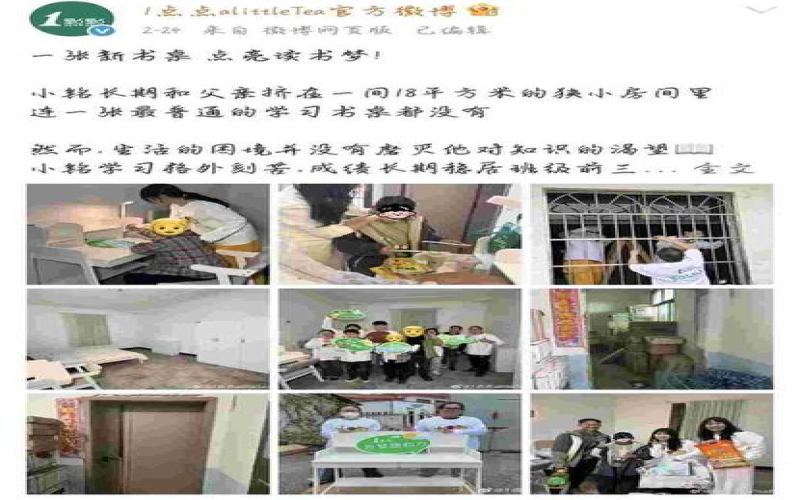
1DianDian charity controversy? Questions arise over a boy receiving aid wearing a thousand-yuan smartwatch, local authorities confirm he is indeed from a low-income household.
A well-known chain milk tea brand, 1 Dian Dian, recently trended on social media due to a public welfare tweet about assisting children from impoverished families, sparking widespread discussion. The brand claimed to have helped a child living with his father in an 18-square-meter rented room by renovating the room and adding a desk and wardrobe, but netizens noticed from public photos that the aided boy was wearing a phone watch worth over a thousand yuan, and that the living conditions differed from the tweet's description, questioning whether he met the assistance criteria. Additionally, issues such as a large proportion of comic books among the donated items and the concentration of aid recipients in first- and second-tier cities were also raised. As public opinion heated up, the brand deleted and edited some posts but did not respond directly. The local subdistrict office and social work station later confirmed to the media that the recipient was indeed from a low-income household, excelling in both academics and character, and that the items were all donations. Behind the incident, the screening criteria and transparency of public welfare activities have become the focus. [more…]
On his first day on the job, a Mixue Bingcheng employee unexpectedly died suddenly, sparking heated debate over how legal liability should be determined.
Recently, Mixue Bingcheng made trending news due to an employee's sudden death. According to media reports, a female employee in Jingdezhen, Jiangxi, suddenly collapsed after working only three hours on her first day on the job and tragically passed away despite rescue efforts. Mixue Bingcheng responded that they are negotiating with the family, and the incident is still under investigation. This tragedy is not only lamentable but has also sparked widespread discussion on legal issues such as employer liability, work-related injury determination, and social insurance contributions. At the same time, Mixue Bingcheng's previous fine for employing child labor has been brought up again. The health and rights protection of workers has once again become a focal point. [more…]
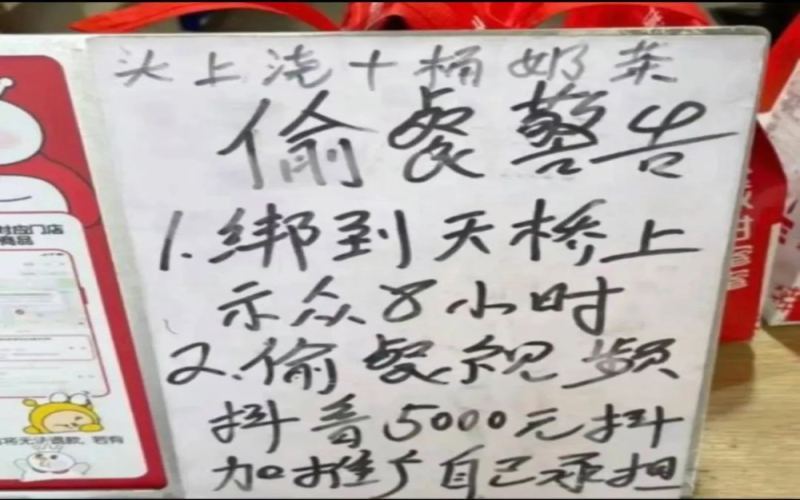
Handwritten warning against meal theft at a Mixue Bingcheng store sparks debate: threat to tie offenders to a pedestrian bridge for public shaming; lawyer says vigilante punishment is illegal
Recently, a Mixue Bingcheng store in Guangzhou made trending searches after posting a handwritten warning about meal theft, stating that thieves would be tied to an overpass for eight hours, have ten buckets of milk tea poured on their heads, and have their videos exposed. The store responded that it was just a scare tactic and had never actually been carried out. The incident sparked heated discussions among netizens, with some sympathizing with the merchant's helplessness, while others pointed out that taking the law into one's own hands is suspected of being illegal. Suzhou police then spoke out, emphasizing that illegal detention is unacceptable and that one should call the police immediately. This controversy reflects the real dilemma of frequent meal theft in the milk tea industry and high loss prevention costs, and also prompts people to think about the balance between merchants defending their rights and the boundaries of the law. [more…]
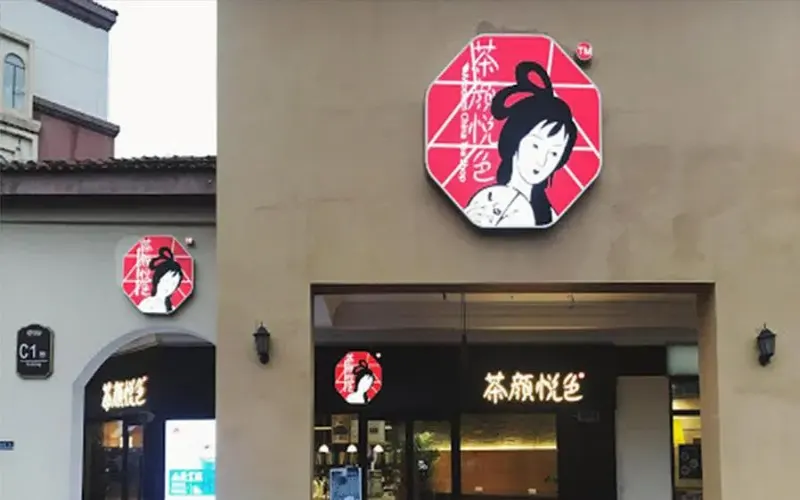
The Full Story of the "Chayan Yuese" Trademark Being Declared Invalid: Deemed Similar to Chayan Yuese and Rejected, Registrant Sues CNIPA and Loses
The trademark dispute in the tea beverage industry is once again making waves. Previously, Coffee Workshop reported that "Cha Yan Guan Se" lost its trademark infringement lawsuit against "Cha Yan Yue Se," and "Cha Yan Yue Se" won its counterclaim against "Cha Yan Guan Se." Now another one has emerged: "Cha Yan Yue Se." This trademark, applied for registration in 2018, was declared invalid by the National Intellectual Property Administration because it was highly similar to the genuine Cha Yan Yue Se in terms of text composition, pronunciation, and graphic design. The registrant, a certain Guo, refused to accept the ruling and actually sued the CNIPA in court, but was ultimately rejected by the Beijing Intellectual Property Court. From "Cha Yan Guan Se" to "Cha Yan Yue Se," imitators keep emerging one after another. This farce once again reminds us: trademark protection is by no means child's play. Although the road to brand rights protection is long, the law will ultimately provide a fair answer. [more…]
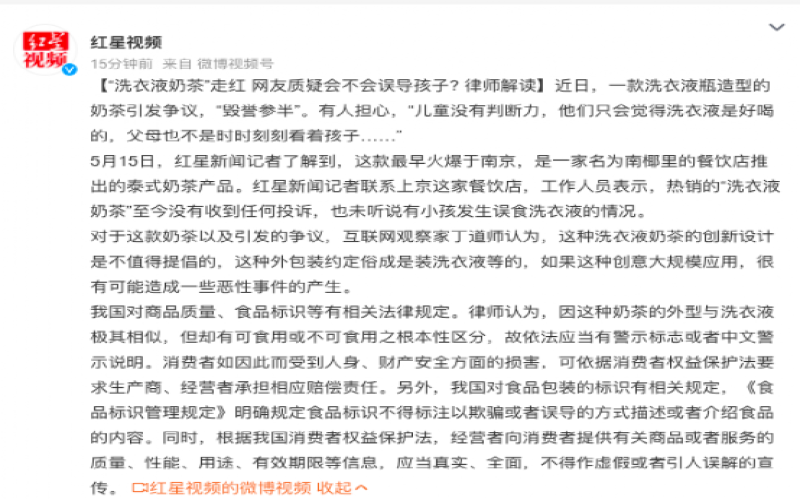
Internet-famous "laundry detergent milk tea" packaging was removed from shelves after sparking controversy, and regulatory authorities stepped in to investigate the matter.
Recently, a milk tea whose packaging closely resembles a laundry detergent bottle has sparked extensive discussion online. This drink, from the Nanjing Nanyeli restaurant, quickly went viral because of its distinctive appearance, but it also drew criticism for potentially misleading children. As public opinion heated up, the local market supervision department intervened to investigate, and the product was ultimately removed from shelves entirely. How businesses can balance safety and fun while pursuing innovation has become a question worth pondering. [more…]
National Consumers League Sues Starbucks: C.A.F.E. Certification and '100% Ethically Sourced' Promise Called into Question
Recently, the National Consumers League (NCL) filed a lawsuit against Starbucks in the Superior Court of the District of Columbia, accusing its "100% ethically sourced" marketing of deceiving consumers. NCL pointed out that Starbucks emphasizes ethical sourcing commitments in its marketing, yet fails to effectively address labor abuses such as child labor and forced labor in its coffee supply chain. Since 2015, Starbucks has claimed that 99% of its coffee is ethically sourced. Although its C.A.F.E. Practices program includes multiple indicators, investigative journalists in Brazil and elsewhere have still found violations at certified farms. Starbucks responded that it will vigorously defend itself and stressed that it works with farms to ensure compliance with standards. [more…]
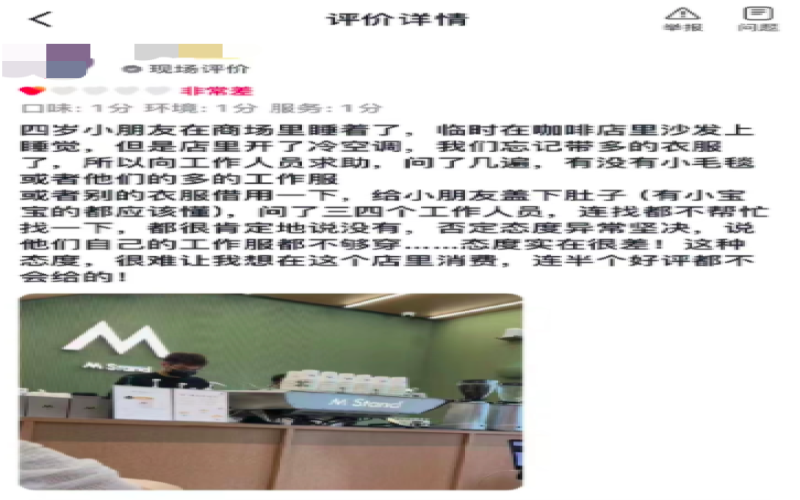
A customer left a bad review because they couldn't borrow a blanket; why are operators increasingly choosing to ban children from their cafés?
A mother took her child to a shopping mall. After the child fell asleep, she went to a coffee shop to rest on the sofa. Because the temperature inside the shop was low, she asked the staff to borrow a blanket or a work uniform but was refused. She later left a negative review, which sparked heated discussion among netizens. Some people understood the difficulties parents face when out with their children, while others believed that borrowing a blanket went beyond the scope of a coffee shop's service. At the same time, many coffee shop owners complained about the troubles brought by customers with children, and more and more stores have made banning children a rule. This discussion about service boundaries and business realities reflects the dilemma coffee shops face between customer experience and daily operations. [more…]
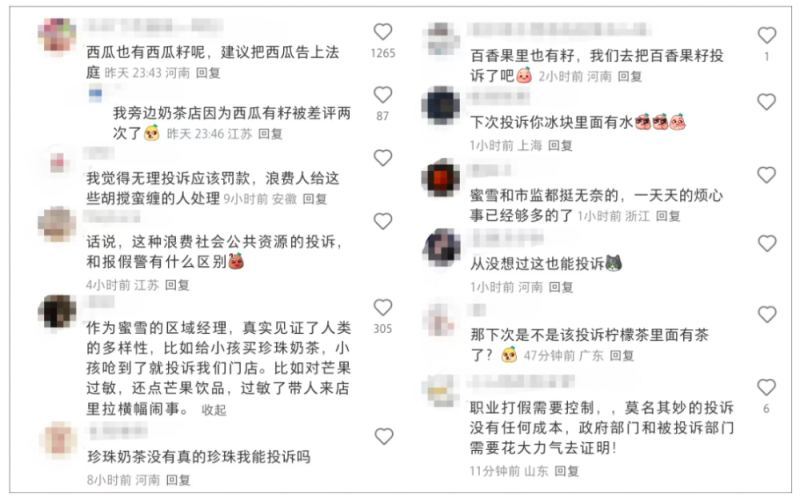
Mixue Ice Cream & Tea was complained about its lemonade containing seeds; after market regulators visited and investigated, they responded: it does not involve food safety.
A single lemon seed in a cup of iced fresh lemonade actually prompted a market regulation inspection? Recently, a netizen in Hefei, Anhui, captured footage of a Mixue Ice Cream & Tea store being inspected by market regulation staff, triggered by a consumer complaint that the drink tasted bitter and had lemon seeds left in the cup. The incident sparked widespread discussion online, with some finding the complaint absurd and others believing a consumer would not make such a fuss over a mere lemon seed. The Mixue store responded that freshly cut lemon slices containing seeds is normal and that their presence in the drink was not due to employee misconduct. Market regulation staff confirmed they had inspected the store and made clear that the lemon seed issue does not involve food safety. This seemingly trivial customer complaint reflects the various bizarre complaints the tea beverage industry faces daily and has also sparked discussion about standardized procedures for freshly cut fruit drinks. [more…]
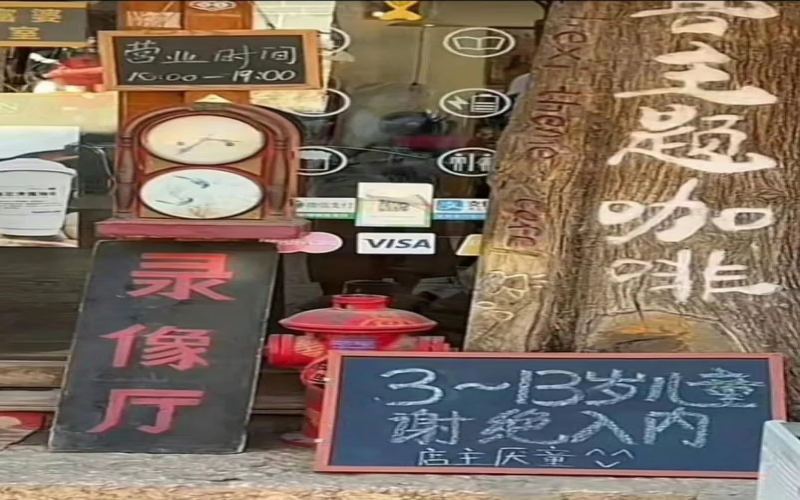
Cafés successively refusing entry to children sparks heated debate, South Korea's "no-kids zones" phenomenon also draws attention
Recently, two incidents of coffee shops refusing to serve children have caused a stir online. On one side, a coffee shop in China put up a notice at its entrance reading "Children aged 3 to 13 are not admitted," with the owner openly stating they "dislike children"; on the other, South Korea's increasingly common "No Kids Zone" has once again become a topic of discussion, with some establishments even posting signs reading "dog yes, kids no." Supporters argue that coffee shops are meant to stay quiet and that businesses have the right to avoid risks; opponents criticize the signs as discriminatory. What social nerves does this debate about "child aversion" actually touch? And what predicament of public space is reflected in the "bratty kids' parents" that young people complain about? [more…]
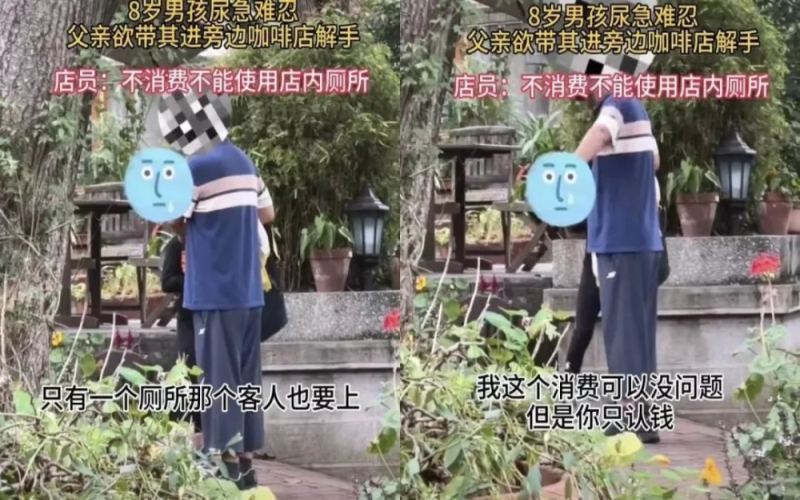
Gulangyu coffee shop sparks debate over refusing free public toilet access: the clash between business boundaries and moral obligations
Recently, a coffee shop in Gulangyu, Xiamen, sparked heated online discussion after refusing to let non-paying customers use its restroom for free. In the video, a father gets into an argument with an employee because his child urgently needed to use the toilet, questioning whether the shop "only cares about money," to which the employee bluntly replies, "Yes, only money." Behind the incident lies the complex relationship between the boundaries of commercial spaces and public moral expectations. Some argue that one should make a purchase first or find a public restroom, some criticize the merchant for being insufficiently accommodating, and others firmly support the merchant's refusal to be morally coerced. As coffee lovers, we might take this incident as a starting point to reflect on the balance between cafés as commercial spaces and their role in the community. [more…]

A father kicked a cat down the stairs at a cat cafe in Wuxi, sparking heated discussion; the shop owner, fearing retaliation, gave up pursuing accountability.
On October 28, a distressing scene unfolded in a cat café in Wuxi, Jiangsu: a father, because a cat had startled his child, actually kicked the cat down the stairs. After the surveillance footage was exposed, netizens were furious and offered the shop owner advice on how to pursue accountability. However, because the owner had not called the police in time and feared retaliation afterward, he ultimately chose not to pursue the matter further. This incident once again sparked discussion about whether cat cafés should admit children, and also reflected the real-world dilemma of animal protection and the safeguarding of merchants' rights. [more…]
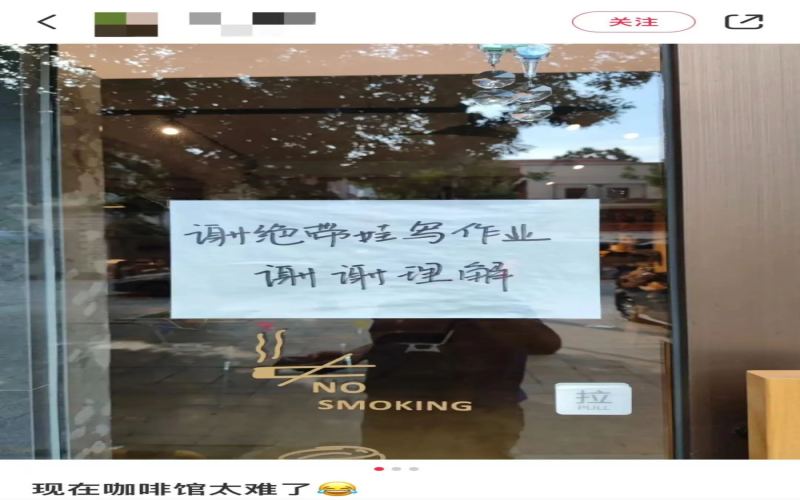
Café posts notice refusing entry for kids doing homework, sparks debate; owner responds: not anti-child, just aiming to create a quiet space
Recently, a café posted a notice at its entrance saying "No bringing kids to do homework here," which sparked widespread discussion on social media. The owner later explained that the move was not meant to bar children from entering, nor was it about table turnover or people freeloading on the air conditioning, but rather because tutoring homework easily triggers emotional swings between parents and children, disrupting the experience of other customers. Many netizens said they understood and shared their own experiences of encountering similar situations in cafés. At the same time, some suggested changing the notice to "No loud noise," to accommodate quiet, well-behaved children and emotionally stable parents. Why exactly do parents prefer to bring their kids to cafés to do homework? And how should cafés balance the needs of different customers? Front Street Coffee takes a look with you. [more…]
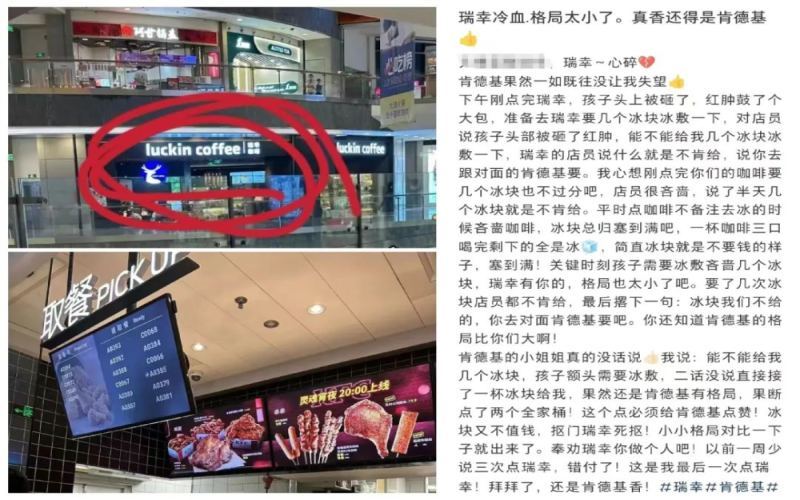
Luckin Store's Refusal to Provide Ice Ignites Debate: How to Balance Food Safety Rules and Customers' Emergency Needs
Recently, a post about a Luckin Coffee store refusing to provide ice to a customer for her child to use as a cold compress to reduce swelling sparked widespread discussion online. The customer, whose child had suffered a head injury and urgently needed ice, was politely declined by staff citing company policy, and was suggested to seek help at the KFC across the street. Behind this incident lies the dilemma that chain beverage brands face between food safety control and customers' emergency needs. Luckin employees revealed that the rule against providing ice separately stems from a previous incident in which someone sent store ice for testing, triggering an economic dispute. Since then, bar-counter surveillance has been monitoring in real time, and those who violate the rule may face bonus deductions. However, when customers face special emergencies, should there be room for flexibility? Front Street Coffee takes you into an in-depth discussion of this topic. [more…]
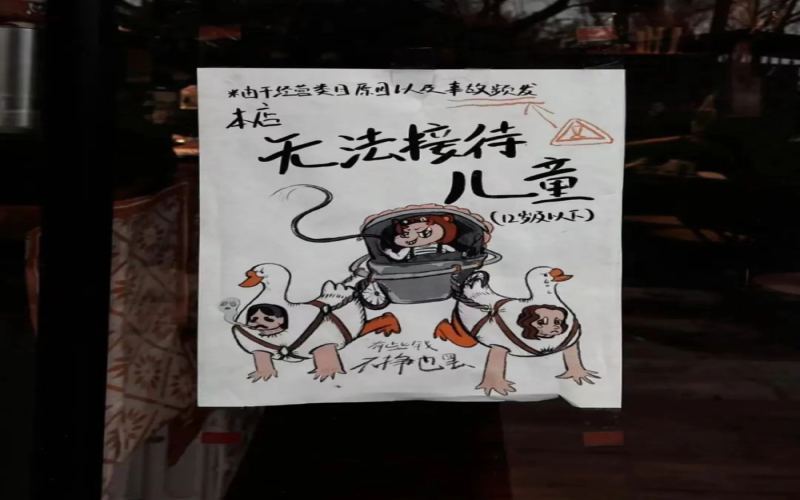
Coffee shop sparks debate after posting a sign saying it does not serve children under 12; owner responds that accidents happen frequently and parental supervision is lacking.
Recently, a coffee shop sparked heated discussion among netizens after posting a sign at its entrance stating that it does not serve children under 12. The sign explicitly stated that due to the nature of the business and frequent accidents, children could not be accommodated. Some netizens criticized the move as inciting anti-child sentiment, while others expressed understanding and support. The owner later posted an explanation, saying that after tourism reopened, parents brought children into the shop but failed to supervise them, leading to multiple accidents—including one child who climbed onto the bar counter and poured sour plum juice onto a coffee machine worth over 90,000 yuan. As the incident continued to escalate, media contacted the manager, who responded that the shop had no suitable drinks for children and that parents had caused losses by failing to fulfill their duty of restraint, but that in principle the shop would not turn away guests if children could be kept under control. This article will review the course of events and the views of all parties. [more…]
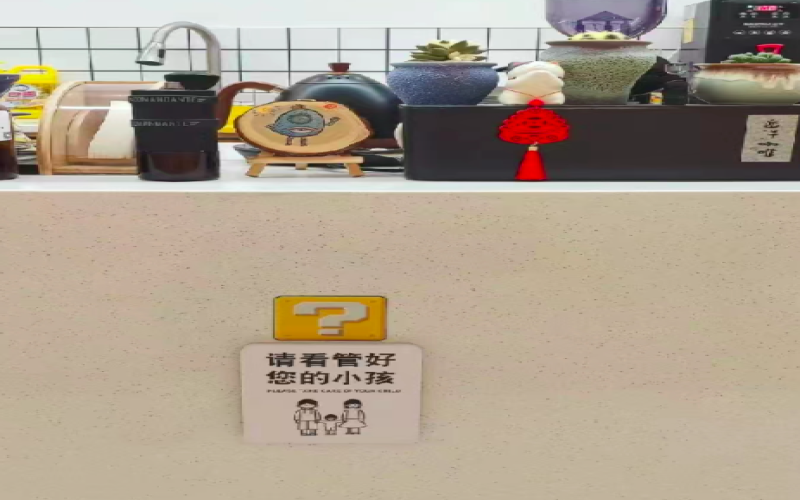
Who should manage noisy children in a café? The owner's silent observation sparks controversy, and a customer who was forced to step in and intervene ended up being complained about.
Coffee shops have always attracted customers with a quiet and comfortable atmosphere, yet when children who come to the shop with their parents make a loud racket inside, how the operator should respond becomes a difficult problem. Recently, a shop owner, not daring to speak up to stop them, let a regular customer step in to intervene on their behalf, and as a result was complained about by the parent, sparking heated discussion online. Many people believe that maintaining the shop environment is the owner's duty to begin with, and that having a customer act as a "mouthpiece" is not appropriate. Is it the parent's failure to discipline, or the owner standing by and doing nothing, that is more dissatisfying? This discussion about order and responsibility in coffee shops is worth deep thought by every industry practitioner and enthusiast. [more…]
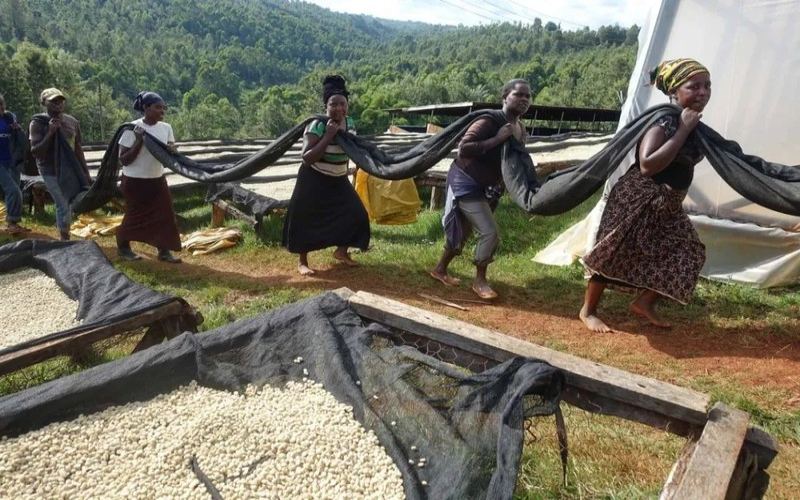
Choosing Low-Acid, Sweet-Finish Coffee Beans by Roast Level: From Medium-Light to Dark Roast
If you want a cup of coffee where the acidity doesn't steal the show, there's sweetness on the palate, and aroma that lingers after you swallow, roast level is a very practical screening clue. It affects the brightness of the fruit acidity, the caramelized sweetness, and the body. Even among black coffees, a light-to-medium roast can be crisp and transparent, a medium roast is rounder, and a medium-dark or dark roast tends to show cocoa, [more…]

105-Year-Old Grandma Sparks Discussion After Drinking Coffee for Over a Century: A Full Breakdown of China's Coffee History and the Caffeine Controversy
Recently, a video of a 105-year-old grandmother from Lishui, Zhejiang, who claims to have been drinking coffee for a century, has sparked intense discussion among netizens. Some questioned how a three-year-old child could drink coffee, while others wondered why someone who has drunk coffee her whole life now drinks instant coffee. Setting aside the controversy, this interview actually traces the century-long history of coffee's spread in China—from "black wine" in the Qing Dynasty to the flourishing of coffeehouses during the Republic of China era, and then to modern medicine's cautious recommendations regarding children's caffeine intake. This article sorts out the development of coffee in China and answers questions such as whether children can drink coffee and why the grandmother drinks instant coffee, helping you view the relationship between coffee and health, habits and tradition more rationally. [more…]